


The Trump administration wants the larger power grid to add $15 billion in new electricity generation — and it wants tech companies to pay for it, even if they don’t need the capacity.
The White House and the governors of several states in the region want the network manager PJM to organize an auction for 15-year contracts for new production capacities. The administration has said it wants tech companies to bid on the contracts even if they ultimately don’t need power for their data centers. Data center demand is expected to nearly triple over the next decade.
PJM said it was reviewing the “statement of principles” and would soon release the results of a months-long planning process aimed at adding new capacity to the network.
The declaration is not binding, however, and behind the scenes, the PJM does not seem enthusiastic about the administration’s attempt to force its hand. “We don’t have much to say about it,” PJM spokesman Jeffrey Shields told Bloomberg yesterday. “We weren’t invited to the event they’re apparently having tomorrow and we won’t be there.”
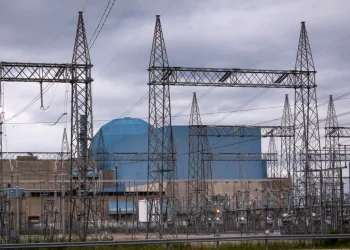
PJM Interconnection, which spans 13 Mid-Atlantic and Midwest states, serves more than 65 million people and includes the Northern Virginia data center hotspot. In 2025, electricity prices will increase by around 10-15% in the region compared to the previous year.
Over the past decade, PJM’s peak load has increased 10%, according to Monitoring Analytics, and it is expected to increase another 6.5% in 2027.
Much of the blame has been placed on tech companies and data center operators, who are increasingly using power for AI.
Techcrunch event
San Francisco
|
October 13-15, 2026
The price of natural gas is also in question. PJM is heavily dependent on fossil fuels and prices have recently skyrocketed. Monitoring Analytics, PJM’s independent watchdog, says about 60% of price increases in 2025 are the result of high fossil fuel prices.
Network operators find themselves in a difficult situation as data centers have increased demand for electricity after more than a decade of no growth.
Building new fossil fuel power plants is a multi-year project that costs hundreds of millions of dollars. Many utilities and electricity providers are reluctant to commit to these timelines and expenses. If the AI boom fizzles out, they could end up with unprofitable power plants built to operate for decades.
Technology companies, which are not traditionally active in the electricity sector, are instead turning to renewable energy, which is cheaper, more modular and faster to deploy. Solar power and batteries were among the early winners. A typical solar farm can be built in about 18 months, and because it can be built in phases, it can begin providing electricity before it is completed. This more closely aligns with data center construction, allowing businesses to manage risk in similar time frames.
Source | domain techcrunch.com