

On steep rock faces in West Africa, a small, unassuming plant carries a genetic trait that does not belong to its family, disobeying the usual rules of heredity.
This discovery challenges long-held assumptions about how plants change, adapt and pass their traits from one generation to the next.
Meet Starry Virectaire

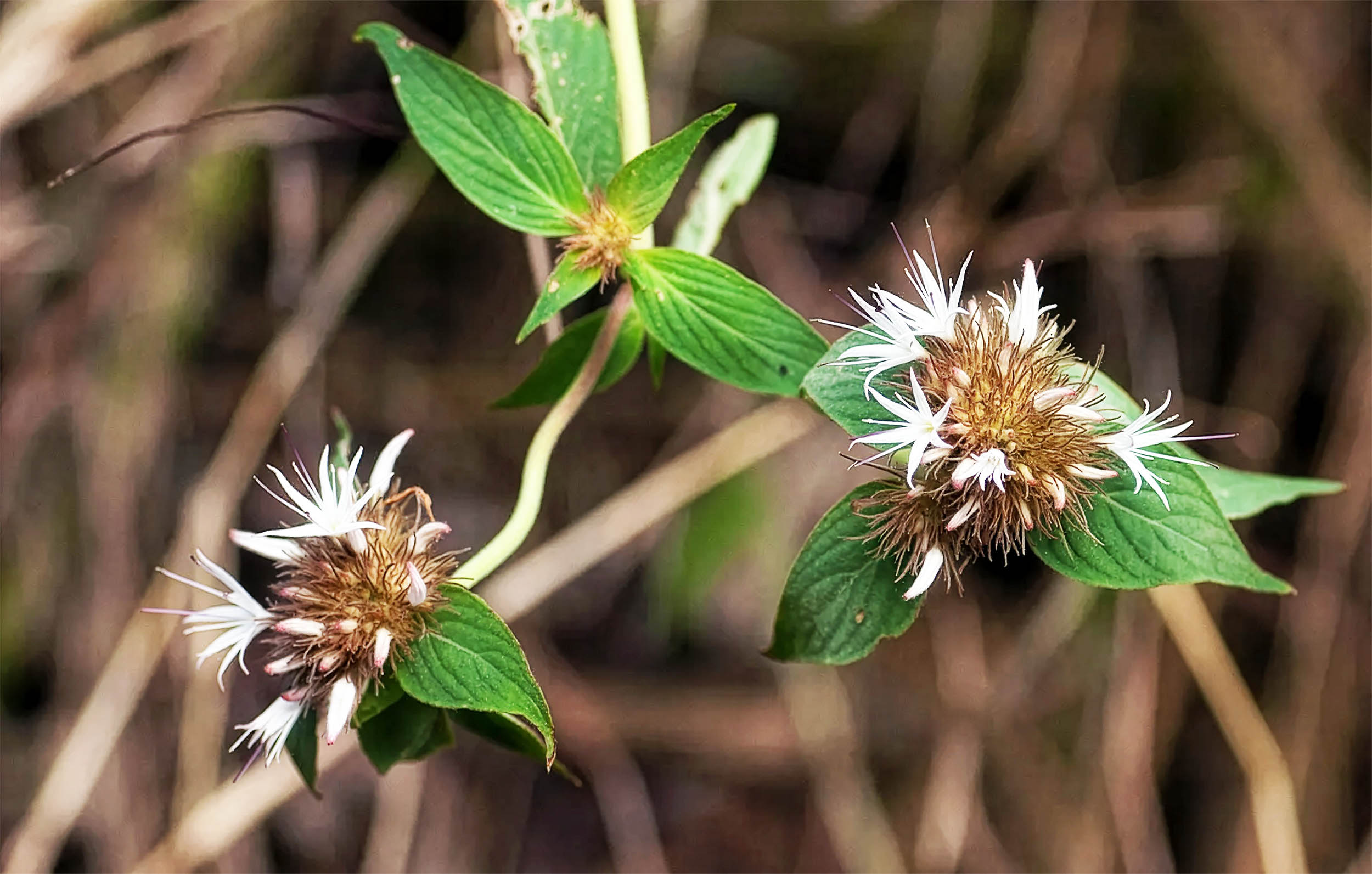
The plant, Starry Virectairewas identified at three sandstone sites in Guinea after botanists noticed its unusual star-shaped hairs and attributed their origin to a possible gene transfer rather than an ordinary mutation.
In 2019, botanical studies targeted Guinea’s sandstone escarpments, while teams mapped the sites for national plant conservation planning.
The work was led by botanist Faya Julien Simbiano from the Gamal Abdel Nasser University of Conakry (UGANC).
His research focuses on documenting rare plants from the cliffs of Guinea, while his partners at the Royal Botanic Gardens, Kew (RBG Kew) make global comparisons.
Researchers recognized the plant as a new Virectaire species when its flowers and fruits matched the genus but not the known species.
The specimens came from the prefectures of Forécariah and Kindia, and the UGANC teams collected the flowering shoots on November 1, 2019 and subsequent dates.
Mapping these collections showed that the species remains local, a common pattern for plants linked to rare rocky habitats.
Star-shaped bristles
Microscopes revealed stellate hairs, star-shaped plant hairs with many arms, covering stems, leaves and flowers.
“Virectaria stellata has stellate hairs, recorded here for the first time in the Rubiaceae family,” Simbiano said.
Because the Rubiaceae family does not have this type of hair, this discovery made the team wonder how it appeared.
Plant surfaces often grow trichomes, tiny hairs made from skin cells, to manage heat, water and parasites.
On exposed rocks, these growths trap a thin layer of air that slows evaporation from the leaf surface.
This protective effect could help the species survive long periods of drought, but it does not explain the unusual branching.
Starry Virectairethe plant family
Several Acanthaceae, a family of plants that includes Barleriabear stellate hairs with a much longer arm.
The document highlights Barleria species in Guinea whose hair microstructure resembles the arms seen on the Starry Virectaire species.
Similarity alone can be misleading, as unrelated plants sometimes develop matching traits when faced with the same stresses.
Researchers suspect horizontal gene transfer, that is, the movement of DNA between sexless species, as the cause of the hair’s strange architecture.
In plants, bacteria can insert genes into cells, and that DNA can persist if it reaches seeds or pollen.
The cultivated sweet potato already carries bacterial DNA in its genome, showing that this process can occur in nature.
Parasites can exchange genes
Some plant parasites connect directly to a host’s tissues, creating shared channels through which genetic material can pass.
Transcriptome analyses, reading the RNA of active genes, have revealed dozens of gene transfers in parasites. Orobanchaceaeusing gene family trees as evidence.
Because the Starry Virectaire the species is not parasitic, the route of the genes taken remains uncertain.
Mitochondria show another route
In some cases, organelles exchange DNA when plants grow close to each other, especially where stems touch and tissues touch.
A study of Amborella trichopoda reported a mitochondrial genome filled with foreign DNA, probably acquired by mitochondrial fusion.
This type of exchange usually involves organelle DNA, so it may not explain a hair trait controlled by nuclear genes.
Hair branching requires many genes
Hair cells in Arabidopsis thaliana helped scientists track the genes that control when a single cell branches during growth.
Mutations in at least five genes can alter the growth and branching of trichomes, showing that their shape depends on several genetic changes.
If many genes must change at the same time to produce star hairs, researchers need stronger evidence than appearance alone.
Looking for a close relative
A specimen collected on September 25, 2019 lacked stellate hairs but otherwise looked strikingly similar to the species.
Collectors discovered this plant about 56 miles north of known sites, and its longest hairs were transparent and spiraled.
This mixture of traits could mark an ancestor or a distinct species, so genetic sampling across Guinea becomes essential.
How to test for gene transfer
Genomic sequencing can compare species to close relatives, and RBG Kew collections help choose those relatives for testing.
Researchers build phylogenetic trees, DNA family trees used to track ancestry, and compare them between genes to spot conflicts.
Even then, the team must rule out laboratory contamination and independent evolution before calling this a true gene transfer.
Living on vertical sandstone
In Guinea, vertical sandstone walls shelter small pockets of soil and the species grows where the cracks provide shade or sun.
Field notes place populations between 1,476 and 2,986 feet, where roots get stuck in the rock and capture brief runoff.
Such narrow niches can quickly produce endemic species, but the same isolation also limits seed spread.
Lessons from Starry Virectaire
Conservation reviewers estimated the known range at about 47 square miles and reported no major threats.
Dry season fires set by pastoralists can burn plants near the base of cliffs, but the buds on the stems often grow back.
The minor concern is just a snapshot, which is why UGANC and RBG Kew are still planning follow-up checks as mining and climate stress expand.
Taken together, the evidence links a strange hair trait in the species to the broader story of gene movement.
Genomes of Virectaire and nearby Barleria will decide whether the case reflects an actual transfer or another path to the same form.
The study is published in Webbia.
Image credit: University of Florence
—–
Do you like what you read? Subscribe to our newsletter for engaging articles, exclusive content and the latest updates.
Check us out on EarthSnap, a free app brought to you by Eric Ralls and Earth.com.
—–
Source | domain www.earth.com