

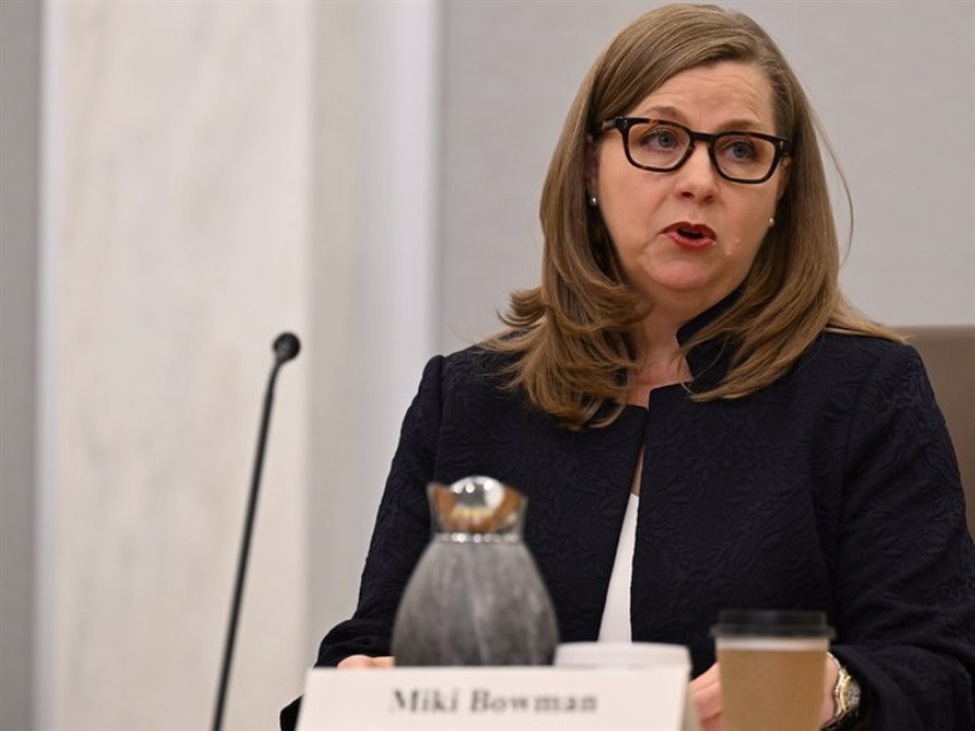
We haven’t heard much from Bowman since she was dropped from running for Fed chair.
-
The American economy has held up
-
Wage growth compatible with 2% inflation
-
The Fed has made considerable progress in reducing inflation
-
Core inflation levels near Fed’s 2% target
-
Expresses concern about the fragility of the labor market
-
Companies could start laying off workers unless demand improves
-
He expects “solid” growth, lower inflation and a stabilizing labor market
-
Given the risks, Fed policy should focus on supporting the labor market
-
Fed policy must be forward-looking and forecast-driven
-
Inflationary pressures ease as tariff influences ease
-
Monetary policy is currently “moderately restrictive”
-
Risk to Fed mandates asymmetric, with employment risks outweighing inflation concerns
-
The US central bank should be ready to cut interest rates again given the risks in the labor market
-
Given the risks, the Fed is unlikely to announce a pause in its rate cut campaign
I thought Bowman might become more hawkish again after losing her bid for Fed chair, but she’s holding her ground. There is no consensus on the “moderately restrictive” approach, with the vast majority of Fed members viewing policy as being in or near the neutral range.
His view that job market risks are higher is defensible since most of the jobs created in the U.S. last year, such as in health care and AI, certainly pose a risk of layoffs. That said, the latest economic data has been good and this week’s jobless claims number was the lowest of Trump’s second term.
Most Fed members want to see compelling evidence that inflation is at 2% and it simply isn’t there, with the next PCE report likely at 3%. She rejects this idea by moving to “core” inflation, but that same core inflation has also been helped by a rapid decline in oil prices that may not be sustainable.
As the year goes on, she will be an interesting voice to watch as there will be some close votes and she could easily become a hawk again if prices rise again.