

The head of the board overseeing the University of Virginia and two other senior board members, including a major donor to the school, resigned Friday under pressure from the state’s new Democratic governor, according to two people briefed on the matter and letters obtained by The New York Times.
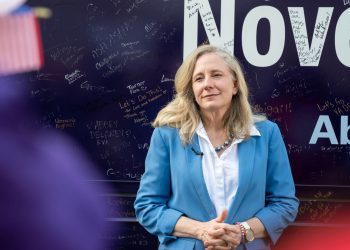
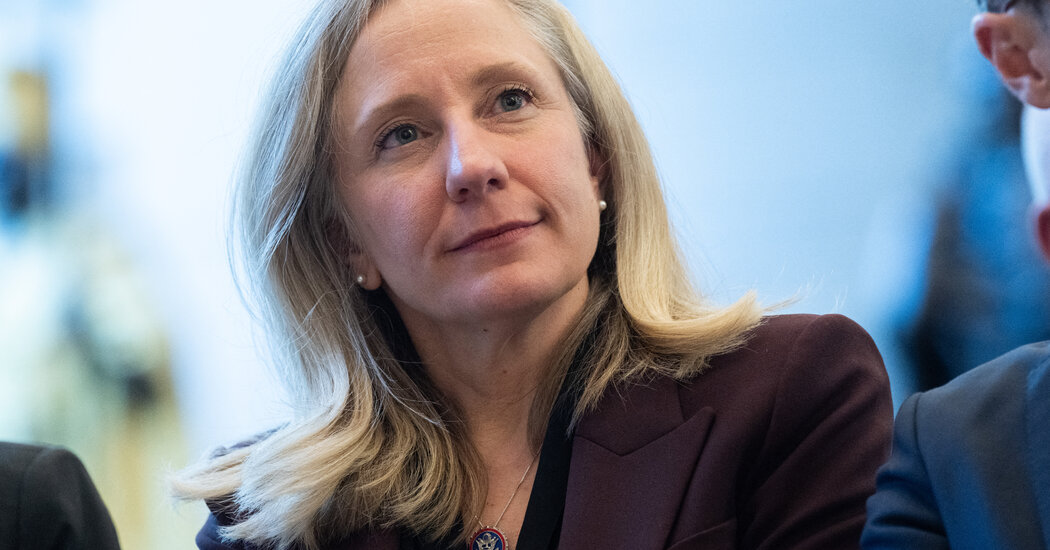
The resignations come after new governor Abigail Spanberger asked at least five board members to step down as she takes office on Saturday.
Ms. Spanberger did not explain why she asked the board members to resign, but they were all implicated last year when the Justice Department, in an extraordinary use of its power, intimidated the university president into resigning. After Ms. Spanberger was elected in November, she asked the board to delay naming a replacement, but it named a new president anyway.
Those who tendered their resignations Friday were Rachel Sheridan, the chair of the board of trustees, known at the University of Virginia as provost; Porter Wilkinson, the vice-rector; and Paul Manning, a board member and major donor who gave $100 million to the university just a few years ago, according to the letters.
The Board of Visitors, which oversees the school, has 17 seats, but before Friday’s resignations there were only 12 members, all appointed by outgoing Gov. Glenn Youngkin, a Republican. At least two other board members have been asked to resign but have so far resisted. It is unclear whether Ms. Spanberger asked other board members to resign.
Unrest at the university over its board of trustees is the latest fallout to rock the school since the Trump administration launched a pressure campaign against it last year. Last summer, the school’s president, Jim Ryan, resigned as the Trump administration threatened to cut the school’s funding and investigate whether Mr. Ryan remained in office.
Mr. Ryan said board members deserved blame for his ouster, for essentially trading his resignation for a deal to spare the school investigations and fines.
Conservative alumni and members of the Justice Department under President Trump wanted Mr. Ryan out because they considered him too liberal. It is unclear what impact these resignations will have on the school’s recently appointed president, Scott C. Beardsley. Some Virginia Democrats and faculty members called on Ms. Spanberger to remove Mr. Beardsley, saying he was appointed too hastily by the board.
The decisions come after months of broader conflict over the direction of the country’s elite higher education institutions. Mr. Trump and other Republicans have put enormous pressure on schools that they say are moving too far to the left. But many faculty members, university presidents and left-wing leaders have argued that these tactics, including slashing school funding and efforts to oust university leaders, threaten their independence and academic freedom.
As news of Ms. Spanberger asking members to resign made its way to Richmond and Charlottesville on Friday, some prominent Virginia Republicans were shocked by Ms. Spanberger’s decision. They believe Mr. Manning played a vital role in the school’s growth and that ousting board members will only perpetuate unrest within the school.
The Jefferson Council, a conservative alumni organization, released a statement Friday calling Ms. Spanberger’s actions “shameful.” He added: “This action by Governor-elect Spanberger is not only completely unprecedented in the history of the Commonwealth, but also the most outrageous and politicized power grab ever attempted. »
In July, Mr. Manning had discussions with senior Justice Department officials in which they told him that Mr. Ryan had to go.
“Paul Manning contacted DOJ lawyers directly to make sure nothing was missing, and he said they told him that if I didn’t resign, they would ‘bleed UVA dry,’” Mr. Ryan later wrote in a letter about his termination.
The University of Virginia and Ms. Spanberger could not immediately be reached for comment.
Wahoos4UVA, another alumni group that had criticized a number of the board’s actions, including its decision to sign an agreement with the Trump administration, said in a statement: “The key to a university’s success is having a board whose members have the best interests of the university as their sole guiding concern, without outside interference.” »
Other schools across the state may also be poised for leadership changes. George Mason University board member Charles D. Stimson submitted his resignation to Gov. Youngkin on Friday, according to a letter obtained by The Times.
Mr. Stimson, who also works for the Heritage Foundation, a conservative think tank, had served as chairman of George Mason’s board of trustees. The school also experienced turmoil over the summer, after the Trump administration targeted its president, Gregory N. Washington, for his support of diversity programs and demanded he personally apologize.
George Mason said it would not comment on Mr. Stimson’s resignation. Mr. Stimson did not immediately respond to a request for comment.
Source | domain www.nytimes.com